Home » Why the choir
Why the choir
In contexts marked by educational disadvantage, social instability, and vulnerability, a choir can become much more than a musical experience. It can provide a safe, stable, and welcoming space where children and adolescents learn to trust others, express themselves, work together, and imagine a different future.
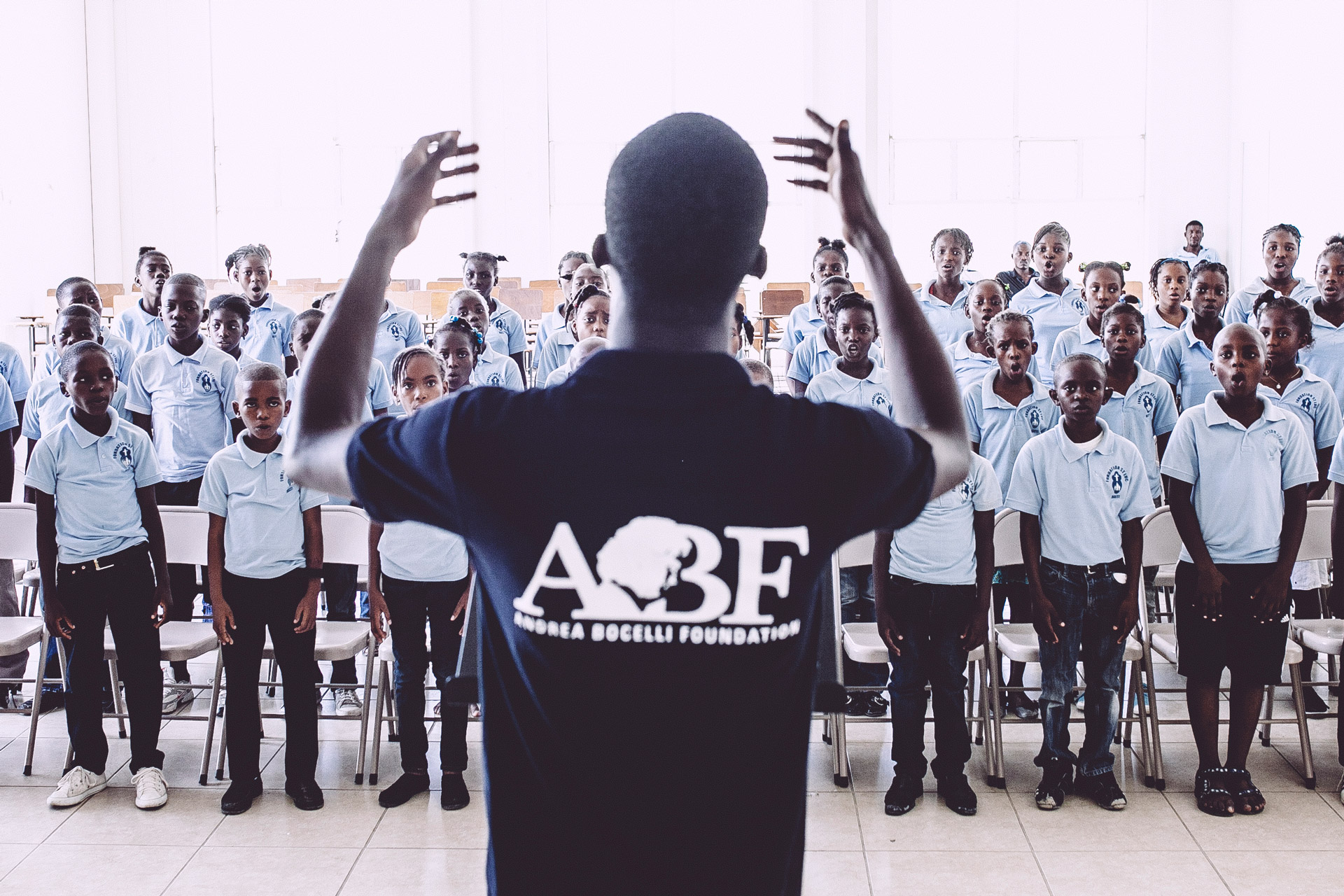
Through choral practice, music becomes an educational tool for developing essential socio-emotional and transversal skills, including self-awareness, emotional regulation, active listening, discipline, and a sense of responsibility. Singing together means becoming part of something larger: a community that supports, protects, and values every voice.
In places such as Haiti, the Holy Land, Uganda, and Italy—particularly Camerino and Naples—where many young people grow up facing isolation and limited opportunities, the choir offers a tangible alternative to marginalization. It creates a space where they can build positive relationships, strengthen their self-esteem, and experience a sense of belonging and dignity.
Choral singing is inherently inclusive: it requires no prior experience, welcomes people from diverse backgrounds and abilities, and turns participation into an opportunity for personal and collective growth. This is why ABF Voices Of chooses the choir as an educational and social tool: because creating harmony together can help children and young people build confidence, strengthen resilience, and look to the future with hope.

Music is the light in our soul that makes all our senses feel in harmony with nature and makes us alive every single moment we remember our existence in this world.
Music gracefully wakes up our system and lets us develop brilliant thoughts and skills at our best. This is why ABF is promoting it, to allow students to grow in harmony and have the opportunity to perform and get closer to the world of art and culture. Furthermore, because all the students come from poor economic and social backgrounds, through music they have been able to find a way to consolidate discipline, cooperation, and have moved away from the misery brought on by the grip of poverty.
Music becomes an additional means for social and intellectual development, not only personal, but for entire communities.

Why the choir?
- Providing children and young people with a safe space in which to grow, express themselves, and feel welcomed.
- Using the power of music to address educational disadvantage, isolation, and social exclusion.
- Fostering positive relationships and communities grounded in listening, participation, and belonging.
- Supporting young people in developing self-confidence, emotional awareness, and the ability to collaborate.
- Creating tangible alternatives to marginalization, violence, and loneliness.