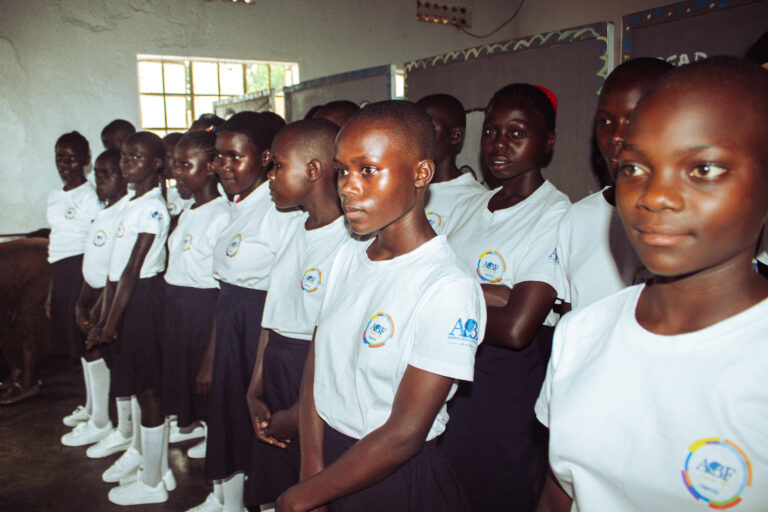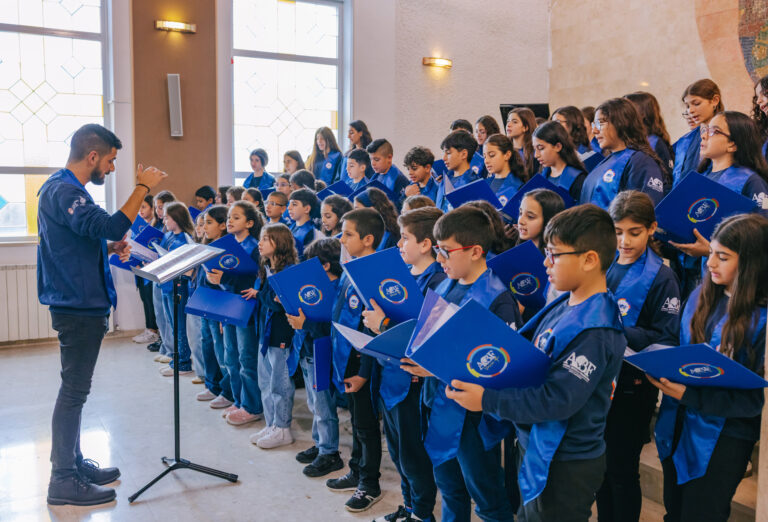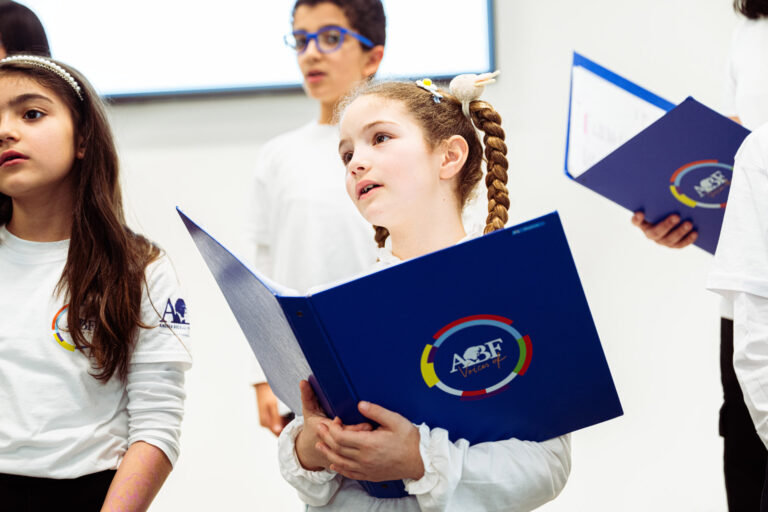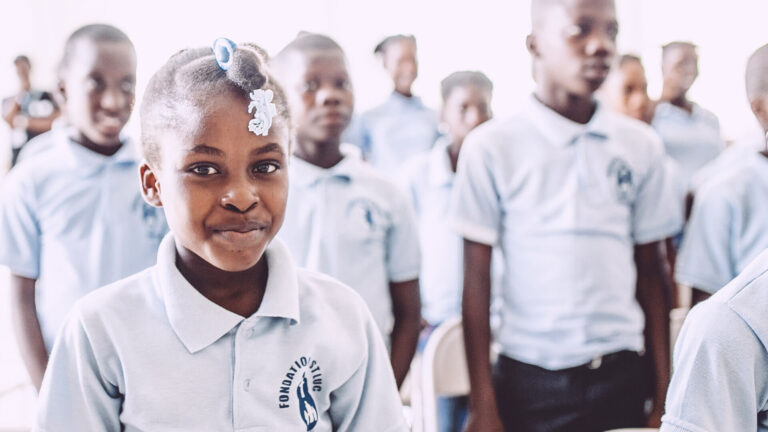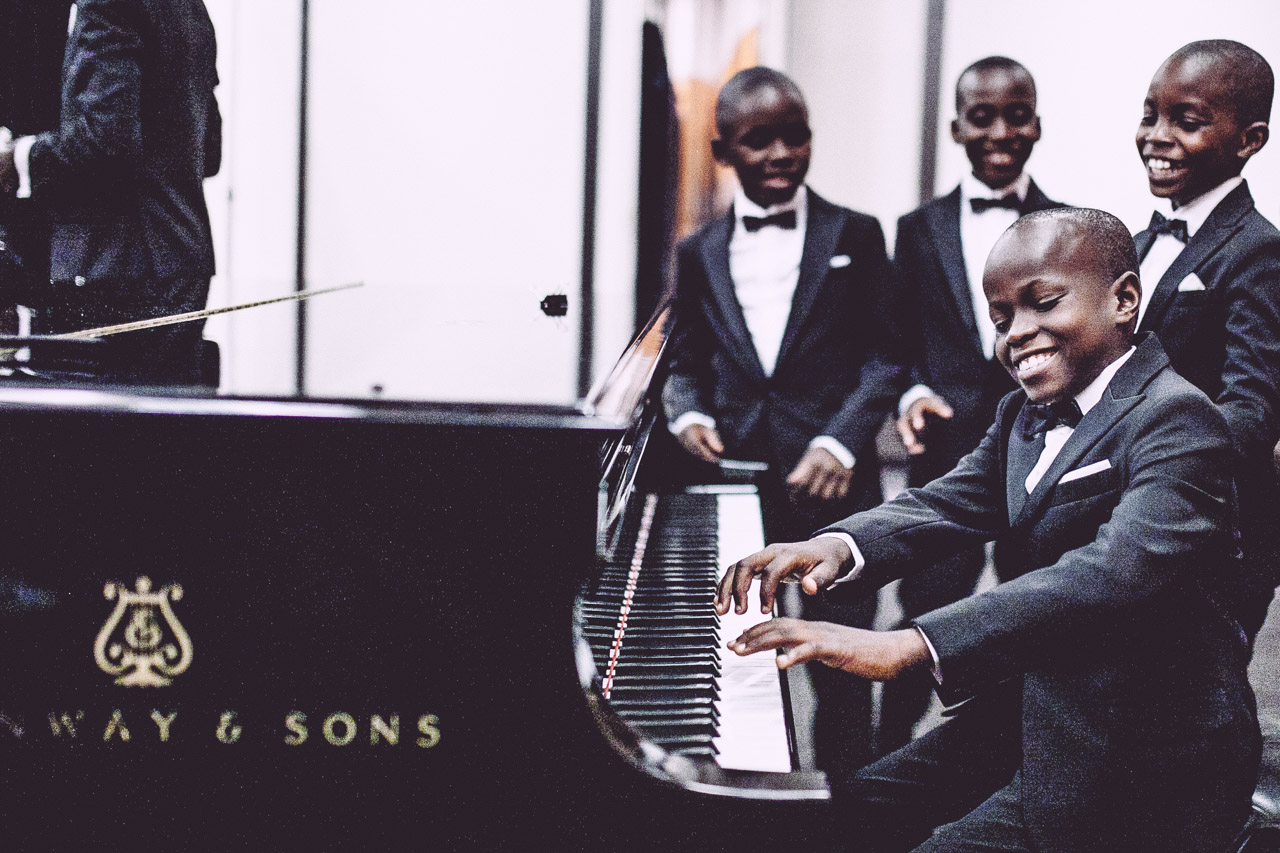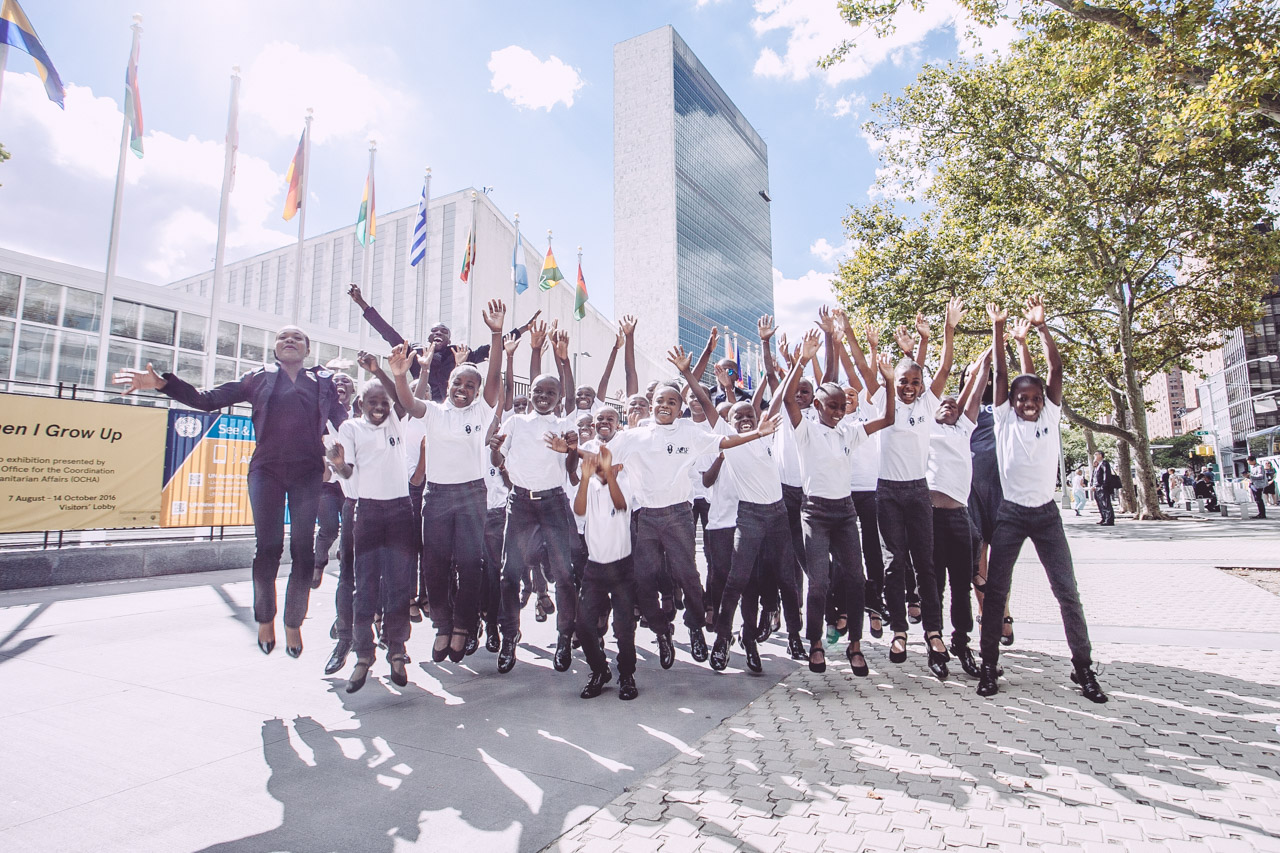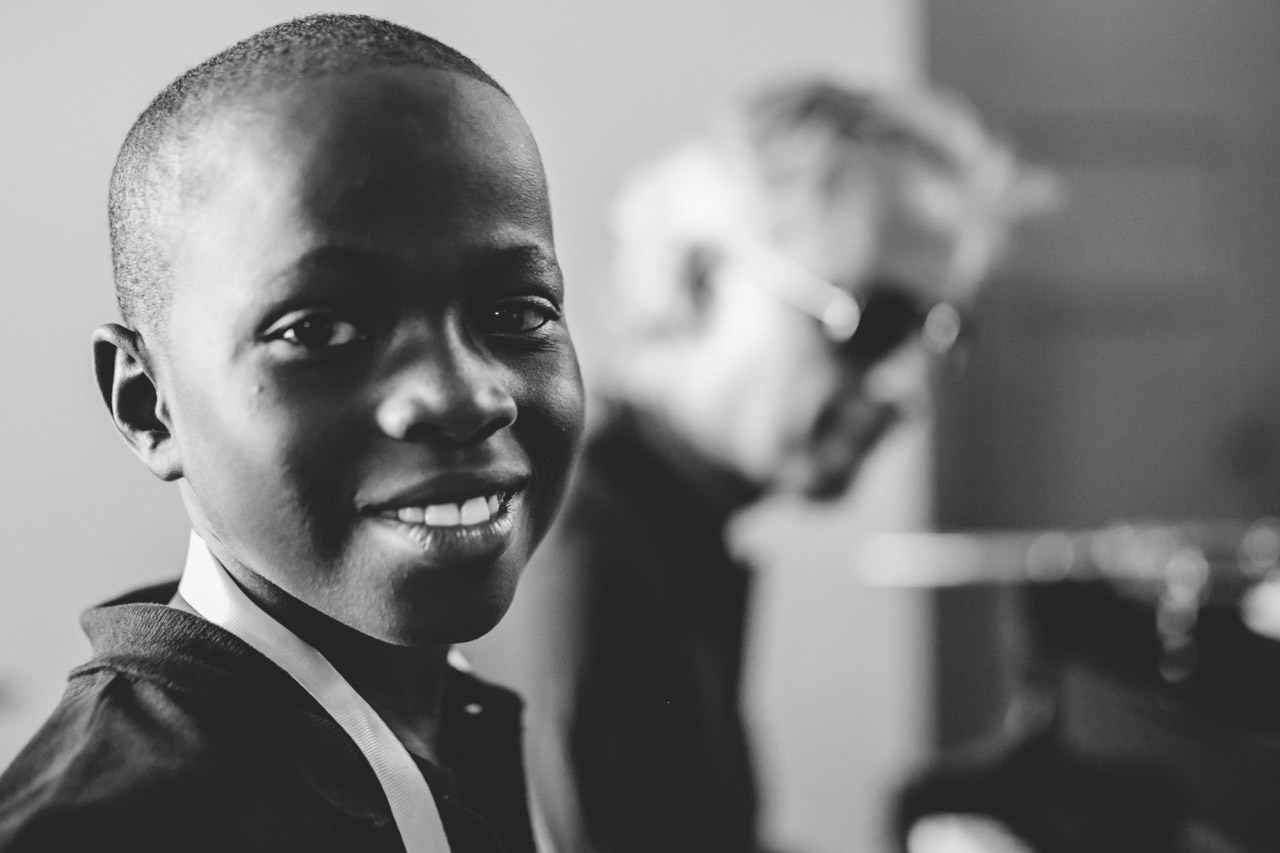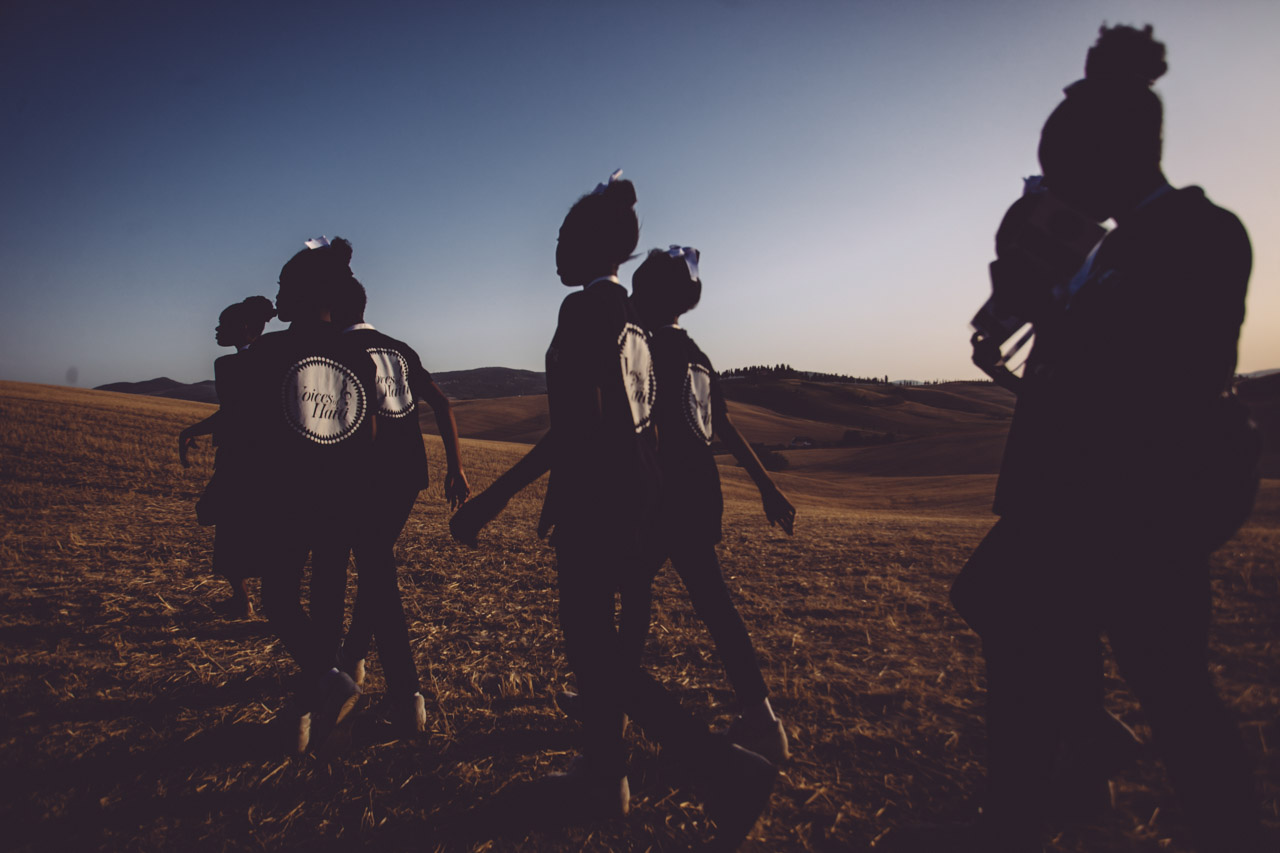

The project originated in the Cité Soleil slum, one of Haiti’s poorest and most fragile areas, characterized by extreme poverty, widespread violence, and a lack of essential services. In a context marked by social instability and the presence of organized crime, music becomes a tangible force for protection, inclusion, and empowerment.
Context – The Need, the Problem
Haiti is a context marked by structural vulnerabilities that directly impact children: extreme poverty, the fragility of essential services, and social instability result in inconsistent access to education, protection, and opportunities for growth. In areas such as Cité Soleil, where marginalization is concentrated and persistent, the daily lives of children and adolescents are often characterized by material and relational precariousness, with repercussions on their psychosocial well-being. In this scenario, education is not just about “school,” but a real opportunity to imagine a different future. The lack of safe environments and accessible cultural experiences limits opportunities for self-expression and identity formation, making it more difficult to develop trust in oneself and in others.
The socio-political crisis and insecurity, which have worsened in recent years, increase children’s exposure to concrete risks: violence, recruitment by criminal groups, early entry into the informal labor market, and dropping out of school. In such fragile contexts, community ties can weaken, and families struggle to find resources for ongoing support, especially for the youngest children. The lack of stable places for gathering and belonging amplifies the sense of isolation and makes it more difficult to develop fundamental social-emotional skills (emotional regulation, self-awareness, collaboration), which are crucial for coping with conflict, stress, and uncertainty. The need for education, therefore, is also a need for protection and opportunity: a place where one can “feel at ease” and grow together.
In a region where cultural opportunities are often a privilege, access to music can become yet another barrier: there is a lack of resources, instruments, spaces, and trained educators capable of offering structured programs. Yet music—especially in a choral setting—has unique potential: it fosters group cohesion, discipline, mutual listening, and shared responsibility; it allows young people to experience trust and a sense of harmony even when the external environment is discordant. The choir thus becomes an inclusive educational tool: it requires no prerequisites, embraces differences and diverse abilities, and transforms participation into competence. In a context like Haiti, this means offering young people a common language to build positive relationships and a sense of personal dignity.
The problem, therefore, is not merely material poverty, but the combination of factors that limit the realization of potential: educational fragility, a scarcity of safe spaces, the risk of marginalization, and a lack of experiences capable of reinforcing life skills. To address this need, we require ongoing, credible, and community-rooted interventions that offer long-term stability rather than merely emergency responses. From this perspective, an educational program based on choral practice can serve as a safeguard: a place where children learn to recognize themselves, regulate their behavior, cooperate, and envision concrete alternatives. The community benefits because human and relational capital is strengthened, and because pathways of growth are built that counteract the normalization of violence and exclusion.
ABF’s Intervention
ABF operates in Haiti with an integrated approach, complementing the Voices of Haiti project with a structured presence in the sectors of education, health, and access to water. The youth choir serves as a safe and ongoing educational space, where musical practice is used as a tool to develop the social-emotional skills, discipline, cooperation, and self-esteem of the children and young people involved.
The project is part of a broader educational ecosystem that includes support for schools, access to basic health services, and programs to ensure the availability of drinking water, implemented in collaboration with a local partner. This model addresses people’s basic needs, creating the conditions for the educational experience to be truly effective and sustainable.
Through this integration of music, education, and essential services, ABF helps build stable and sustainable pathways for growth, offering participants concrete alternatives to marginalization and strengthening the resilience of families and the community as a whole.
Why
- Educational poverty and social exclusion
- Lack of safe spaces for children and youth
- High risk of becoming involved in cycles of violence
- Need for psychosocial support and educational continuity
The Project
A) Partner
St. Luke Foundation is a Haitian organization that has been active for over twenty years in the fields of education, health, and humanitarian aid, with in-depth knowledge of the region and local communities.
B) Actions
- Weekly choir rehearsals with an educational approach
- Activities to develop social-emotional skills
- Involvement of families and the community
- Monitoring of well-being and participation
C) Objectives
- Development of social-emotional skills through music
- Strengthening educational continuity
- Creating positive alternatives to marginalization
D) Impact on the Community
The project strengthens the community’s human, social, and educational capital by taking an integrated approach to the factors that most affect the vulnerability of children and youth. Through choral practice, participants develop fundamental social-emotional skills (such as self-awareness, emotion regulation, collaboration, and a sense of responsibility) that positively impact individual well-being as well as family and community relationships. As part of a broader framework of ABF initiatives in education, healthcare, access to water, and school support, Voices of Haiti helps create the conditions for education to be truly effective and sustainable. The project strengthens families by offering young people a safe and structured environment for growth, and supports the community as a whole by promoting positive models of participation, belonging, and youth leadership. In a context marked by instability and extreme poverty, the choir thus becomes not only an educational experience but a bastion of resilience, trust, and a shared future.
E) Project Phases
- 2016–2020: Launch and consolidation of the choir
- 2021–2024: Stabilization and support as members transition to adulthood
- 2026: Completion of the first training cycle and preparation for graduation